Skip to content
FPSTracker
Overwatch · Hero shooter
FM-OVE / BLIZZARD

The Overwatch Tracker Reference: Career Profile Stats and Role Ranks

Overwatch is the only game covered here where the per-10-minute rate is not a refinement but the whole basis of comparison. Raw totals in this game mostly measure time played, and the career profile that produces them is private until the account holder chooses otherwise.

Overwatch · Record

What Overwatch 2 Publishes

SPEC / PLATE
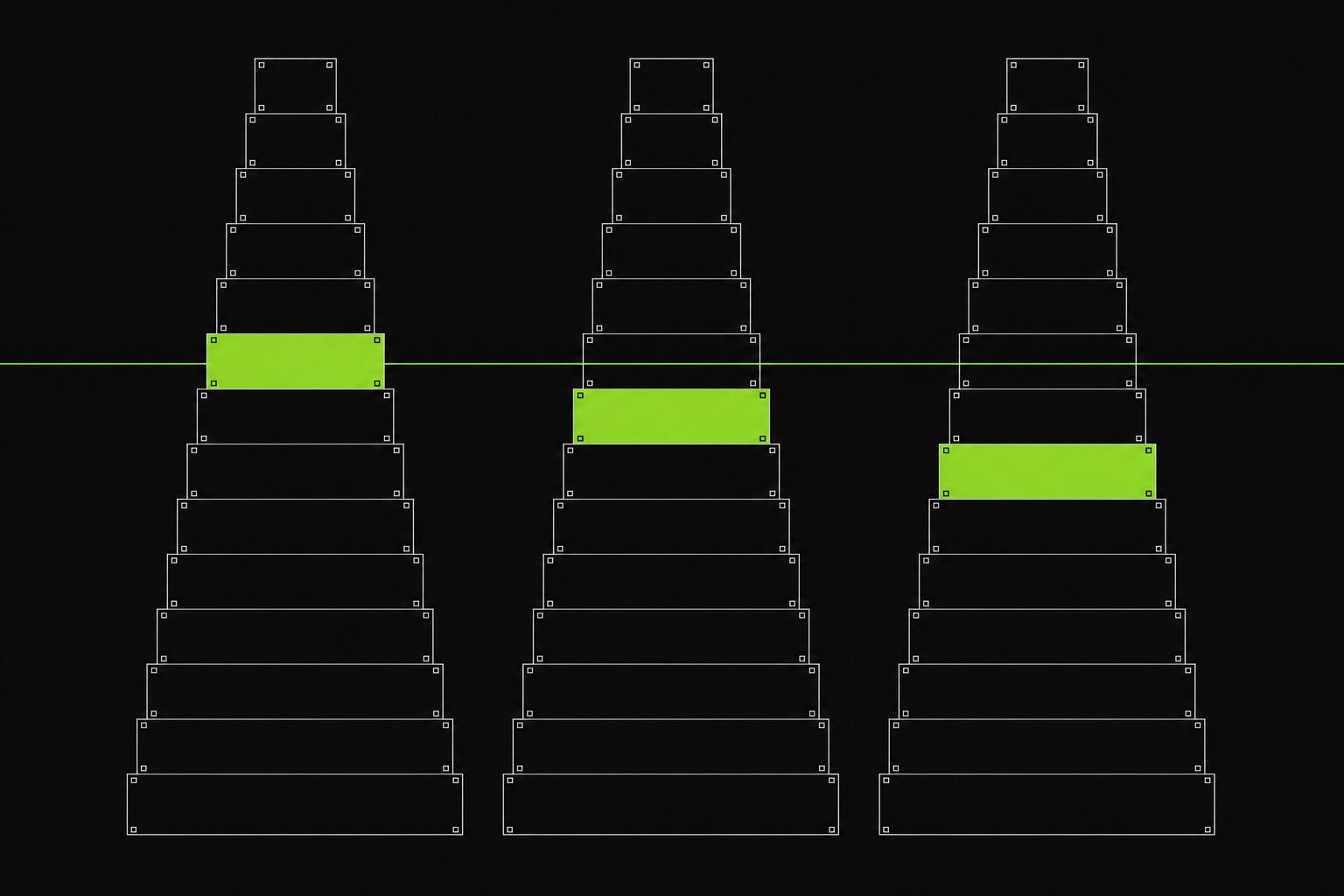
Schematic plate showing how Overwatch 2 records and publishes player statistics
Fig. 1 — the shape of what Overwatch 2 publishes. Structure, not data: the figure illustrates the recording model described below.
  • PublisherBlizzard
  • Released2022
  • Ranked systemSkill divisions per role
  • Headline figuresWin rate · Eliminations per 10 minutes · Healing per 10 minutes · Objective time · Time played per hero
Reference

The career profile is private by default

SOURCE / 01

Blizzard keeps Overwatch statistics in the career profile and closes it by default. Nothing is published for an account until the player opts in, which makes this the hardest game on the site to look anything up for — and it also means an empty page is the normal case rather than a fault.

When a profile is public, what it publishes is unusually complete: per-hero playtime, eliminations, deaths, damage, healing, objective time, and a set of hero-specific figures that exist for no other hero. Ana has nano boosts applied; Mercy has resurrections; Reinhardt has charges landed. Those hero-specific columns are the reason Overwatch reference material has to be organised by hero rather than by metric.

The published set updates in batches rather than continuously, and ranked updates arrive after a set number of wins and losses rather than after every match. A profile read between updates is accurate and behind at the same time.

Reference

Three roles, three ranks, one account

COMPARE / 02

Tank, Damage and Support are ranked separately, so one account holds three ranks at once and they routinely differ by two or three tiers. Any single badge shown next to a name has picked one of them.

The division numbering runs the opposite way to most games: each tier holds five numbered divisions counting down, so Gold 1 sits above Gold 5. This trips up cross-game comparisons constantly, because in Valorant and Siege the higher number is the higher division.

Ranked updates in batches also change what a rank means. A player can win six of seven matches and see no movement until the batch resolves, then jump a full division. The tier is therefore a lagging indicator by design, and a page showing it is lagging twice — once for the batch, once for its own cache.

  1. 01 Bronze
  2. 02 Silver
  3. 03 Gold
  4. 04 Platinum
  5. 05 Diamond
  6. 06 Master
  7. 07 Grandmaster
  8. 08 Champion
LADDER

Skill divisions per role. Each tier holds five numbered divisions counting down, so Gold 1 sits above Gold 5. Tank, Damage and Support are ranked separately and an account holds three ranks at once. Ranked updates arrive in batches after a set number of wins and losses rather than after every match.

The share of players sitting in each tier moves every season, so no fixed percentage is printed here, because a number published once would be wrong within weeks. The order is the part that holds.

Reference

Why per-10-minute rates are the only fair comparison

RANK / 03

A support who has played forty hours and one who has played four cannot be compared on healing totals, and the gap is so large that the comparison is not merely unfair but uninformative. Overwatch solves this by publishing per-10-minute rates alongside the totals, and those rates are the figures worth reading.

The same logic applies within a role. Eliminations per 10 minutes on a Damage hero is a meaningful figure; total eliminations is a measure of how long the account has existed. Objective time per 10 minutes distinguishes a player who contests the point from one who farms elsewhere, and no total can do that.

One caveat: rates are still hero-scoped. A Mercy healing rate and a Baptiste healing rate are not the same statistic, because the heroes heal through different mechanics with different opportunity costs. Read rates per hero, and read hero playtime beside them to size the sample.

What each figure leaves out

The seven recurring figures, the formula behind each one, and the list of things it does not count.

K/D ratio = kills ÷ deaths

A 1.4 in a tactical shooter and a 1.4 in a 64-player mode are not comparable numbers. Read K/D against the mode first, the rank second, and never on its own.

Not included in this number

  • Assists and downs that someone else finished
  • Whether the kill was a trade or an opening pick
  • Round-win contribution
  • Casual and ranked pools, which most pages merge

Win rate = wins ÷ matches played

Below roughly 50 matches a win rate is noise. In squad modes it is closer to a measure of who the player queues with than of how they play.

Not included in this number

  • Sample size
  • Whether the player queued solo or in a stack
  • Abandoned and re-queued matches
  • Placement matches, which several games weight differently

Matches played = count of recorded matches

This is the number that tells you whether any of the others mean anything. Read it first.

Not included in this number

  • Matches played before the current stats system
  • Matches recorded while the profile was private
  • Modes the game does not track
  • Matches on other platforms for accounts that were not linked

Damage per round = total damage ÷ rounds played

The most honest single number in tactical shooters, and the most misleading one in battle royales, where plate-breaking pads it.

Not included in this number

  • Whether the damage led to a kill
  • Utility and grenade damage in some games but not others
  • Damage to non-player targets
  • Overkill damage past zero health

Ranked tier = a band on the game's own rating ladder

The most authoritative figure available and the one most often shown stale. Check when it was last refreshed before believing it.

Not included in this number

  • Refresh lag between the game and the page showing it
  • Which playlist or role the badge came from
  • Seasonal resets that have already happened
  • Whether placements are complete

Peak rank = highest tier reached, per season

Useful only with the season attached. A peak from a season with different tier boundaries is a different achievement wearing the same name.

Not included in this number

  • Seasons before the current system
  • Beta and pre-release periods
  • Peaks on unlinked accounts
  • Tier boundary changes between seasons

Headshot percentage = headshot kills ÷ total kills

Read it per weapon or not at all. An account-wide headshot percentage mostly reports which guns the player likes.

Not included in this number

  • Every shot except the last one
  • Weapons with no headshot multiplier
  • Explosive and vehicle kills
  • Hero abilities that ignore hit location
Reference

Reading an Overwatch profile in four steps

BOARD / 04

Confirm the profile is public and note when it last updated. Read hero playtime first, because every rate below it is scoped to a hero. Use per-10-minute figures rather than totals. Then read each role rank separately and ignore any attempt to average them.

For comparisons between two accounts, both must be read on the same hero, in the same role, with comparable playtime. That is a narrow condition, and it is the reason Overwatch comparisons are less common than Siege or Valorant ones despite the data being richer.

max 1,000,000
max 1,000,000
max 100,000
max 100,000
max 100,000,000
max 1,000,000
  • K/D ratio kills ÷ deaths
  • Win rate wins ÷ matches
  • Damage per round damage ÷ rounds
  • Kills per match kills ÷ matches
READ IT AS

A ratio is only worth reading next to the match count that produced it. Below roughly fifty matches, every figure on this bench is noise.

Questions

Overwatch stats: frequently asked questions

FAQ / 09

Why can I not find any stats for an Overwatch account?

Because career profiles are private by default. Blizzard publishes nothing until the account holder opts in, so an empty result is the normal outcome rather than an error.

Is Gold 1 higher or lower than Gold 5?

Higher. Overwatch numbers its five divisions per tier counting down, so Gold 1 is the top of Gold and Gold 5 the bottom. This is the reverse of Valorant and Rainbow Six Siege, which is a frequent source of confusion.

Why does my rank not move after winning several games?

Ranked updates arrive in batches after a set number of wins and losses rather than after each match. Progress accumulates invisibly and then resolves in one step, which is why a rank can jump a full division at once.

Should I compare healing totals between two supports?

No. Totals track playtime more than performance. Compare healing per 10 minutes, on the same hero, with playtime shown so the samples are comparable, different support heroes heal through different mechanics and are not interchangeable statistics.

Does one account really hold three ranks?

Yes; one each for Tank, Damage and Support, and two or three tiers of difference between them is ordinary. A single badge beside a name has silently chosen one role.